

The Colliding AI-Energy-Carbon Management Trilemma in the Age of Physical and Digital Infrastructure
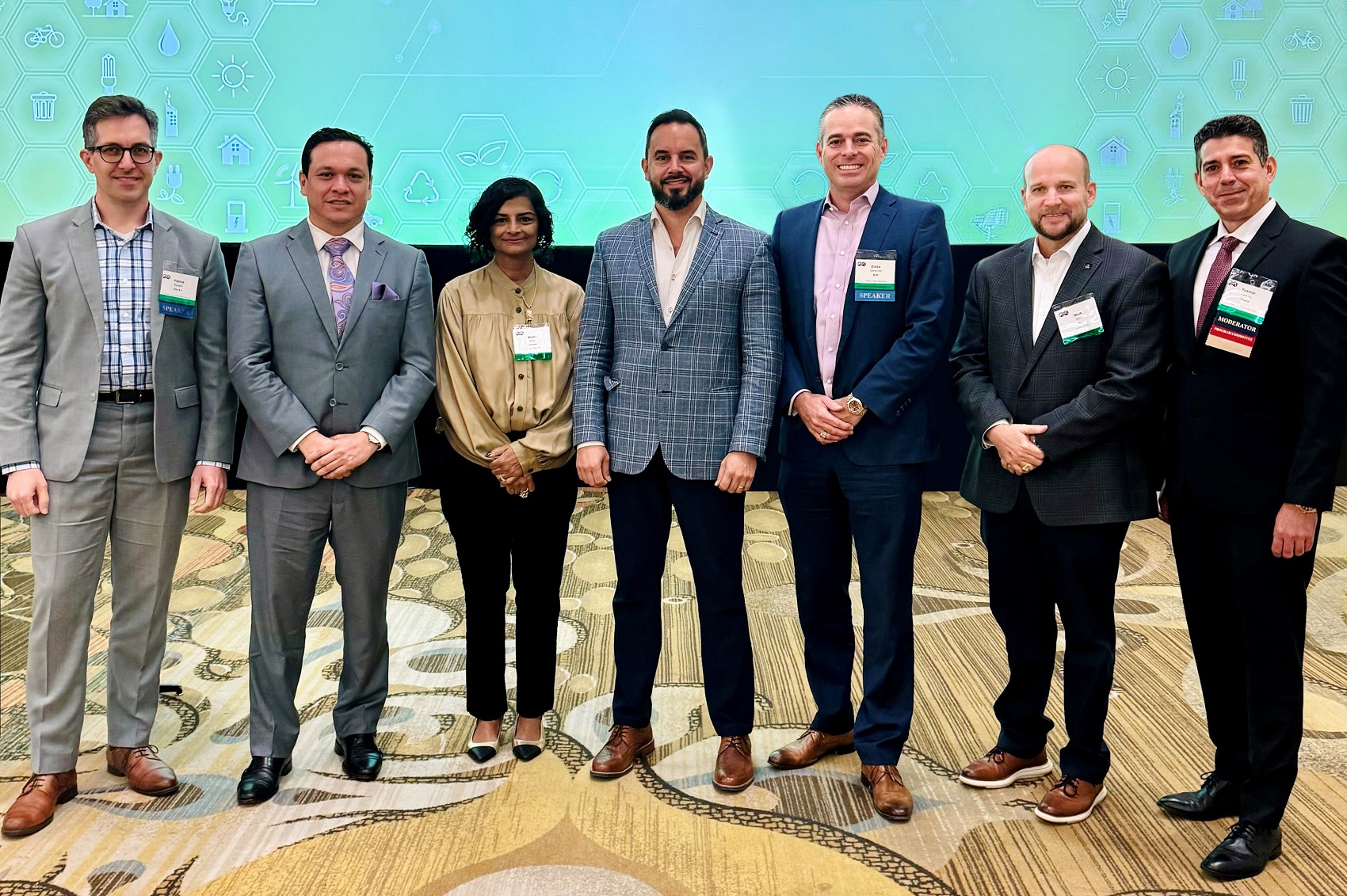
NVIDIA, Microsoft, Occidental, SLB, XGS Energy, and Fugro at the SFLCT-convened panel; SFLCT co-moderators Fernando C. Hernandez (second from left) and Yosmel Sanchez (far right)
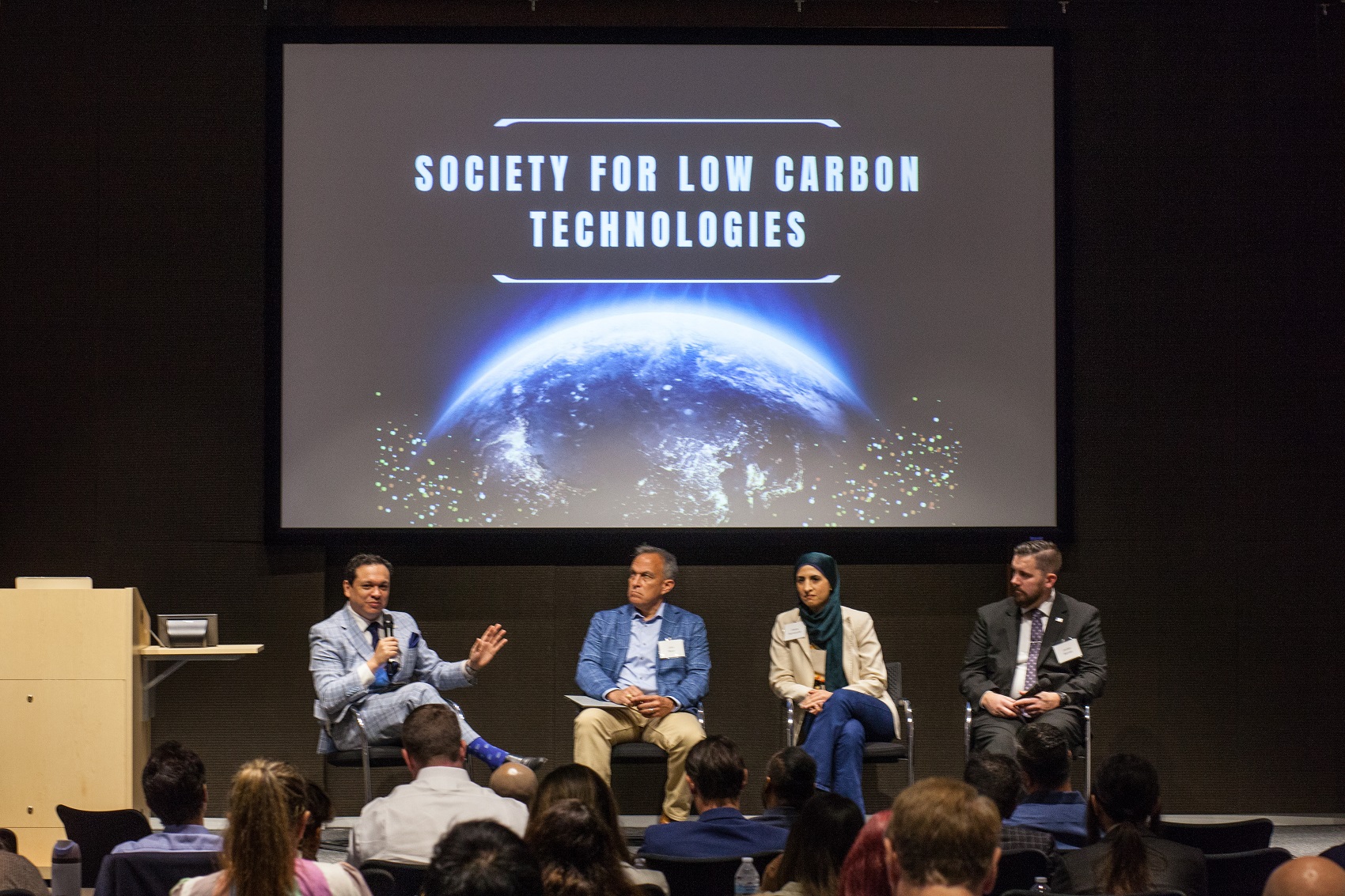
SFLCT AI-Energy-Carbon event featuring Baker Hughes, Rystad Energy, and Siemens Digital, moderated by SFLCT’s Fernando C. Hernandez (left)
HOUSTON, TX, UNITED STATES, March 18, 2026 /EINPresswire.com/ -- As compute capacity transitions from a digital utility to a national security asset, the AI-Energy-Carbon Management trilemma has emerged as a constraint and a nexus shaping global AI infrastructure. In response to this shift, the Society for Low Carbon Technologies (SFLCT) convened discussions in 2025 with Microsoft, NVIDIA, Siemens Digital, Occidental, and Baker Hughes, coining the trilemma term in the process.
In 2026, this trajectory continues at the upcoming American Data Centers Forum in April, where SFLCT serves as a Supporting Organization, linking energy and carbon management with the compute economy. Google is backing Carbon Capture Storage (CCS) to support low-carbon compute through natural gas paired with carbon capture in Illinois and is slated to speak at this forum.
The SFLCT’s track record includes helping shape South America’s first CCS law sanctioned by Brazil’s President and providing a low-carbon energy systems vantage point as AI scales, while retaining its social license to operate.
Accordingly, at the Energy Transition Symposium, SFLCT served as an Endorsing Organization for a convening with Microsoft, NVIDIA, SLB, XGS Energy, Occidental, and Fugro. There, the AI-Energy-Carbon nexus was examined through the panel titled “Powering the Future: Meeting Data Center Demand With Low-Carbon Energy.” NVIDIA’s trillion-dollar market capitalization reinforced compute as a strategic infrastructure asset within this context. The panel was co-moderated by SFLCT Advisory Board Member and Fugro’s Global CCS Lead, Yosmel Sanchez, and SFLCT Chairman, Fernando C. Hernandez.
Microsoft’s participation as a panelist alongside SLB, and its engagement with the ecosystem linked to Norway’s Northern Lights project (operated by major energy companies), demonstrate how hyperscale firms are combining compute with carbon management. Microsoft’s Azure cloud supports Northern Lights’ business and SLB’s digital CCS workflows as digital infrastructure, enabling modeling, integrated data workflows, and coordination across the CCS value chain. Geology is emerging as a critical domain for AI systems through CCS and geothermal deployment.
XGS Energy’s geothermal agreement with Meta to support U.S. data centers illustrates the requirement to deliver firm, low-carbon baseload energy for AI infrastructure at scale. Occidental advanced a parallel deployment pathway (to Northern Lights) during the session; the company is advancing its direct air capture program through STRATOS in Texas, with operations expected in 2026 and designed to remove and sequester a six-figure sum of metric tons of CO2 annually. Fugro’s presence on the panel, coupled with its subsurface and carbon capture expertise, reinforces the subsurface dimension.
SFLCT extended this work by leading a separate convening titled “How AI Is Reshaping the Future of Energy and Carbon Capture,” hosted at Equinor’s office in 2025. The session brought together practitioners across digital systems, energy, and carbon management, with speakers from Siemens, Baker Hughes, and Rystad Energy, moderated by Hernandez. The event examined how the digital economy encounters constraints across molecules, electrons, geology, and emissions. This preceded Chevron’s Permian Basin project supporting AI infrastructure through natural gas paired with CCS, demonstrating how SFLCT anticipates market developments.
Looking ahead to 2026, these developments frame the upcoming American Data Centers Forum in April. SFLCT will continue to operationalize its AI-Energy-Carbon nexus, translating this framework into applied engagement across the compute economy. Hernandez concluded, “At the 2026 American Data Centers Forum, SFLCT brings a frontline low-carbon energy systems perspective as compute places this nexus at the forefront of the digital economy.”
***Publishing note: The views expressed are those of the SFLCT, a federally recognized U.S.-based 501(c)(3) nonprofit, and do not necessarily reflect the positions of any organizations referenced outside of SFLCT. This information is shared for educational, community-impact, and non-commercial purposes. No endorsement is implied. This publication aligns with SFLCT’s federally exempt status.***
Press Relations
Society for Low Carbon Technologies
email us here
Visit us on social media:
LinkedIn
Legal Disclaimer:
EIN Presswire provides this news content "as is" without warranty of any kind. We do not accept any responsibility or liability for the accuracy, content, images, videos, licenses, completeness, legality, or reliability of the information contained in this article. If you have any complaints or copyright issues related to this article, kindly contact the author above.
